
What Is The Brain Song?
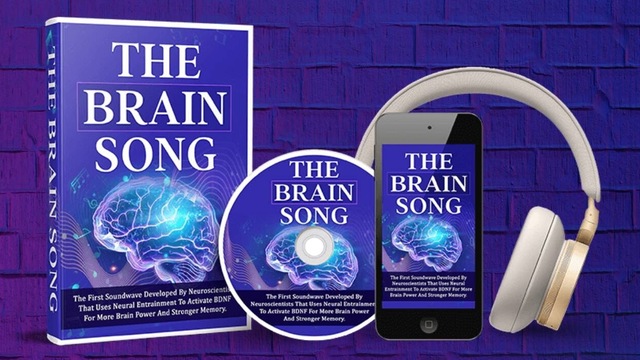
At its core, The Brain Song is an audio-based brain stimulation program. You listen to a specially engineered sound track through headphones, usually while resting or relaxing.
It is not:
-
A traditional music album
-
A guided meditation with spoken instructions
-
A hypnosis recording
-
A subliminal messaging program
Instead, it’s built around specific sound frequencies and patterns intended to gently influence brainwave activity.
The idea is simple:
When your brain hears certain rhythmic sound patterns, it tends to synchronize with them.
This process is often called brainwave entrainment.
Brainwave Basics (Explained Without the Science Headache)
To understand The Brain Song, you need a basic grasp of brainwaves.
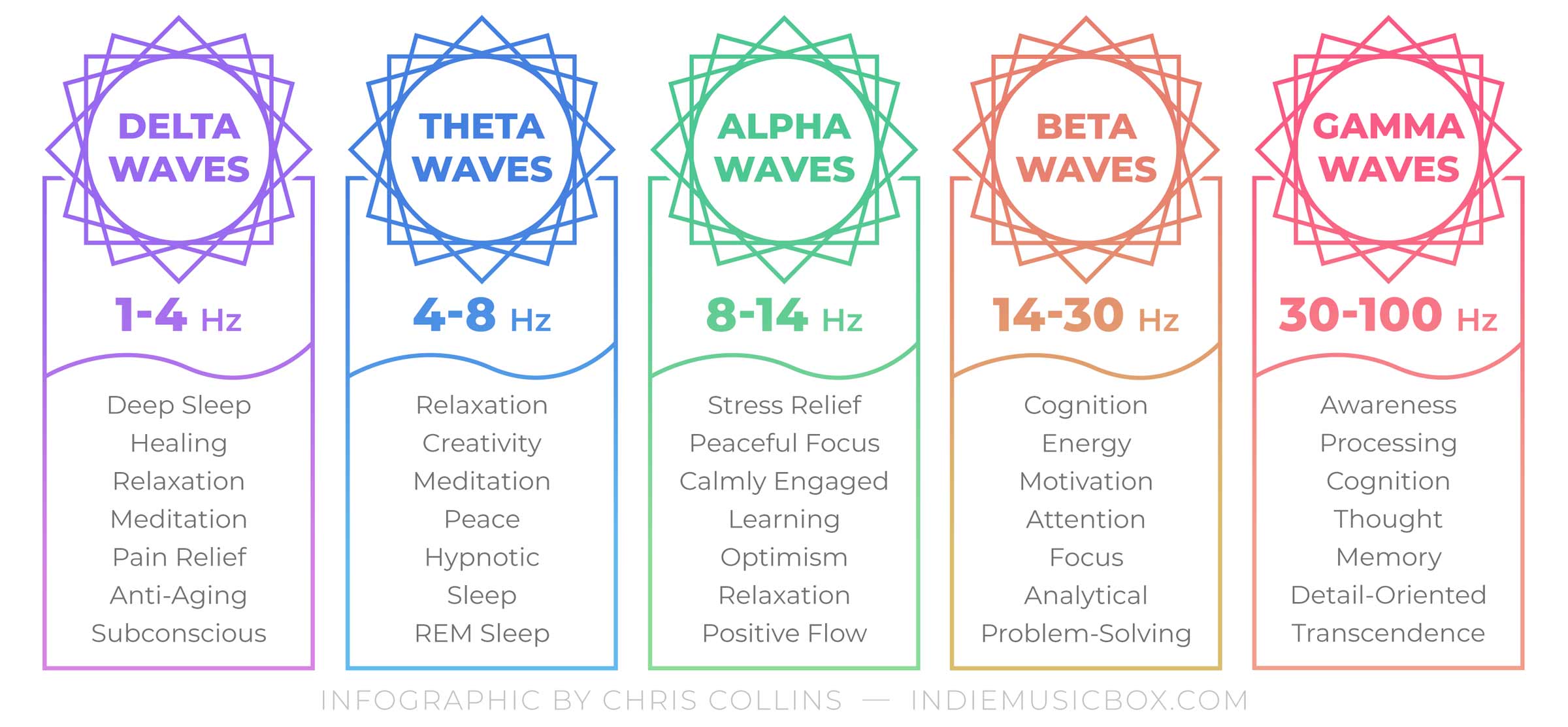
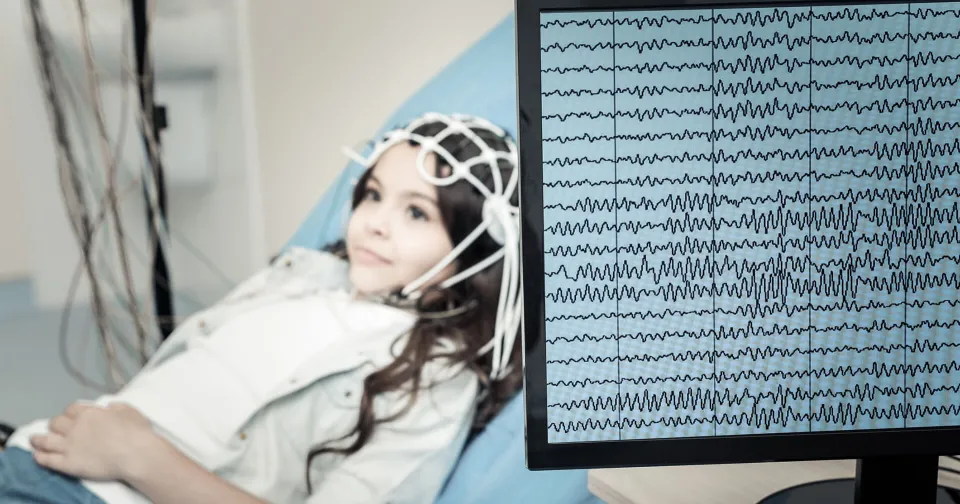
Your brain communicates using electrical signals. These signals form patterns, measured in hertz (Hz), known as brainwaves. Different brainwave ranges are associated with different mental states.
The Main Brainwave States
Delta (0.5–4 Hz)
-
Deep sleep
-
Physical restoration
-
Very low conscious awareness
Theta (4–8 Hz)
-
Light sleep
-
Deep relaxation
-
Creativity and intuition
-
Daydreaming
Alpha (8–13 Hz)
-
Calm focus
-
Relaxed awareness
-
Reduced anxiety
Beta (13–30 Hz)
-
Active thinking
-
Problem-solving
-
Stress and alertness
Gamma (30+ Hz)
-
High-level cognition
-
Memory and learning
-
Peak performance moments
Your brain naturally moves through these states throughout the day. The problem is that modern life keeps many people stuck in high beta, the stress-heavy mode.
The Brain Song is designed to help guide the brain into calmer, more balanced states.
How The Brain Song Works (Step by Step)
1. Sound Patterns, Not Melodies
The Brain Song doesn’t rely on catchy tunes. Instead, it uses layered tones, pulses, and frequency differences that your brain can detect subconsciously.
You may hear:
-
Gentle humming or droning sounds
-
Subtle rhythmic pulses
-
Ambient, neutral background audio
It’s intentionally simple so the brain can focus on the rhythm, not the melody.
2. Frequency Following Response
The key mechanism is something called the frequency following response.
When your ears receive two slightly different frequencies, your brain “fills in” the difference. Over time, your brain activity may begin to align with that frequency.
This is the same principle used in:
-
Binaural beats
-
Isochronic tones
-
Certain sound therapy approaches
The Brain Song combines these techniques into one cohesive track.
3. Passive Listening
You don’t need to concentrate, visualize, or repeat affirmations.
You simply:
-
Put on headphones
-
Press play
-
Sit or lie down
-
Let the audio do its work
This is why many people like it. There’s no learning curve.
Is The Brain Song Music Therapy?
Not exactly.
Music therapy usually involves:
-
Emotional processing
-
Musical interaction
-
A trained therapist
The Brain Song is closer to neurological sound stimulation than therapy.
It doesn’t aim to evoke emotions through melody. Instead, it focuses on how the brain responds to sound frequencies.
What Makes The Brain Song Different From Meditation Apps?
Meditation apps typically rely on:
-
Guided voice instructions
-
Breath awareness
-
Visualization techniques
Those work well for many people, but not everyone enjoys or succeeds with them.
The Brain Song is different because:
-
There is little to no talking
-
No mental effort is required
-
It works even if your mind wanders
This makes it appealing for people who say, “I’m bad at meditation.”


Who Is The Brain Song Designed For?
The Brain Song isn’t positioned as a cure or treatment. It’s a supportive wellness tool.
People commonly explore it for:
Stress and Mental Overload
-
Racing thoughts
-
Difficulty winding down
-
Feeling mentally “fried”
Focus and Clarity
-
Trouble concentrating
-
Mental fatigue
-
Overstimulation from screens
Sleep Support
-
Difficulty falling asleep
-
Light or restless sleep
-
Nighttime mental chatter
Emotional Balance
-
Feeling tense or irritable
-
Trouble relaxing
-
General nervous system overload
Who Might Not Benefit From It?
The Brain Song isn’t for everyone.
It may not be ideal if:
-
You expect instant, dramatic results
-
You dislike wearing headphones
-
You are highly sensitive to sound
-
You are looking for a medical treatment
Anyone with neurological conditions or seizure disorders should consult a professional before using sound-based brain stimulation tools.
What Does Listening Feel Like?
This is one of the most common questions.
People report experiences such as:
-
A gradual sense of calm
-
Heavy or relaxed limbs
-
Reduced mental chatter
-
A drifting or floaty feeling
-
Occasionally falling asleep
Some feel effects quickly. Others notice subtle changes after repeated use.
There’s no “correct” experience.
How Long Does It Take to Notice Results?
This varies widely.
Some users report:
-
Relaxation during the first session
-
Better sleep within a few days
Others notice:
-
Gradual improvements over 1–3 weeks
-
More consistent calm after regular use
The Brain Song is not positioned as a one-time fix. It’s meant to be used consistently.
How Often Should You Use The Brain Song?
Most people use it:
-
Once per day
-
Or several times per week
Common times include:
-
Before bed
-
During breaks
-
After stressful workdays
Overuse isn’t typically recommended. More is not always better.
The Science Angle (Without Overpromising)
Brainwave entrainment has been studied for decades. Research suggests that sound patterns can influence brain activity, particularly in relaxed states.
However, it’s important to be clear:
-
Research results vary
-
Individual responses differ
-
Audio tools support wellness, not treatment
The Brain Song does not replace therapy, medication, or professional care.


Is There Any Risk?
For most people, listening at a comfortable volume is considered low risk.
Basic safety tips include:
-
Use headphones at moderate volume
-
Do not listen while driving
-
Stop if you feel discomfort or dizziness
Your comfort is the signal that matters.
The Brain Song and Sleep: What to Know
Many users are drawn to The Brain Song for sleep.
How It May Help
-
Encourages relaxation before bedtime
-
Reduces mental noise
-
Helps signal “wind down” mode
How to Use It for Sleep
-
Listen while lying down
-
Dim lights or close your eyes
-
Let yourself drift naturally
Some people fall asleep before the track ends. That’s fine.
The Brain Song for Focus and Productivity
Although it’s often associated with relaxation, some users apply it for focus.
This works best when:
-
Used during breaks
-
Not played while actively working
-
Followed by focused tasks
Think of it as mental reset, not background music.
Common Myths About The Brain Song
“It Rewires Your Brain Overnight”
No. It may support healthier patterns over time, but it’s not instant brain rewiring.
“You Have to Believe in It”
Belief can help motivation, but the process is passive.
“It Works the Same for Everyone”
Brains are different. Responses vary.
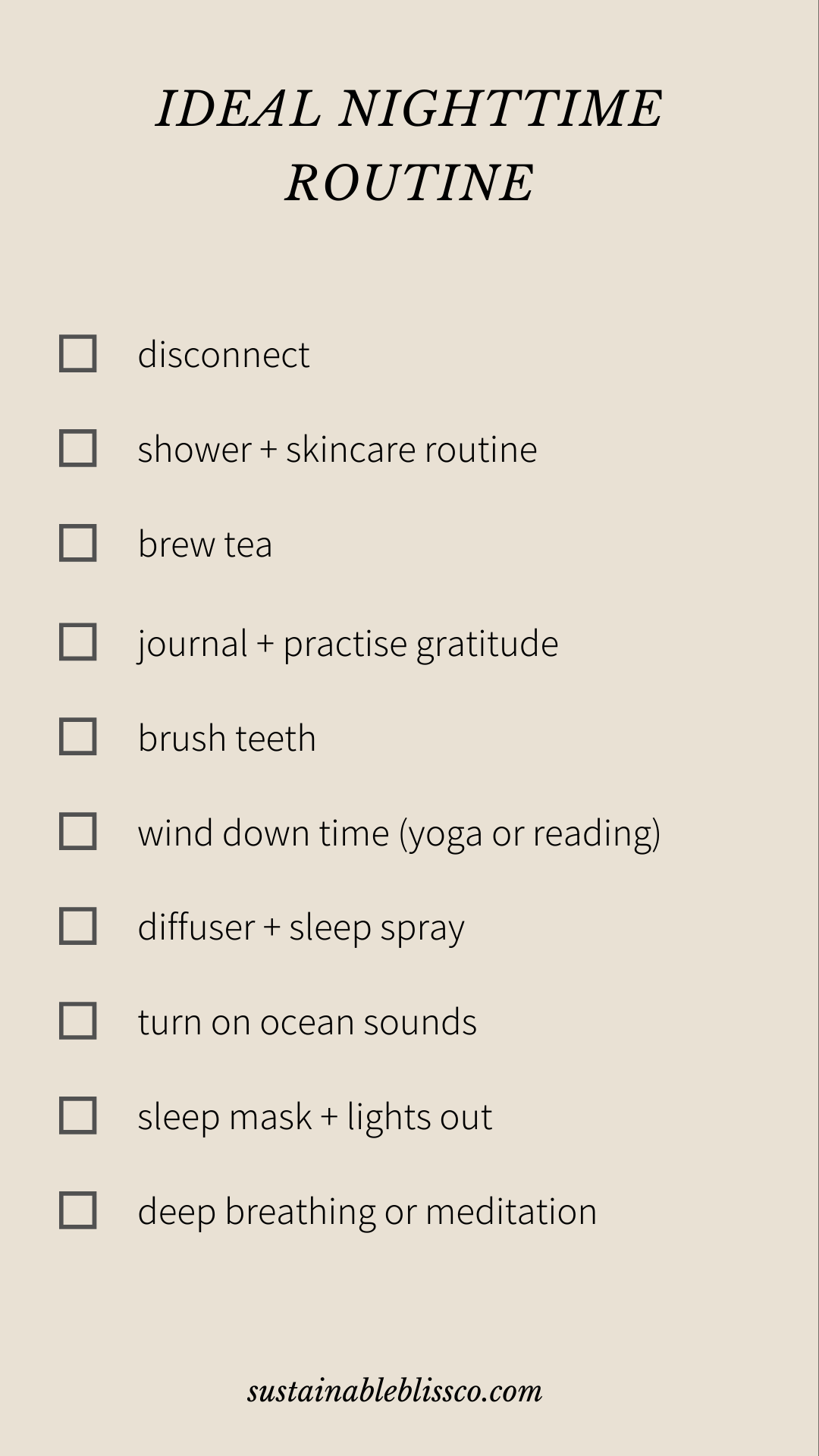
How The Brain Song Fits Into a Wellness Routine
It works best when combined with:
-
Reasonable sleep habits
-
Stress management
-
Reduced screen exposure
-
Physical movement
Audio tools amplify good habits. They don’t replace them.


SEO & AEO: Quick Answers
What is The Brain Song?
An audio-based brainwave stimulation program designed to promote relaxation and mental balance.
Is The Brain Song music?
No. It uses sound frequencies rather than melodies.
Does it require meditation skills?
No. It’s passive listening.
Can it help with sleep?
Many people use it as a relaxation aid before sleep.
Is it safe?
Generally low risk when used responsibly, but not a medical treatment.
Why Tools Like This Are Growing Worldwide
Globally, people are:
-
More stressed
-
More digitally overloaded
-
Sleeping less
Audio-based wellness tools are appealing because they:
-
Require minimal time
-
Are language-independent
-
Can be used anywhere
The Brain Song fits into a broader shift toward non-invasive mental wellness support.
Final Thoughts: Is The Brain Song Worth Exploring?
The Brain Song isn’t magic. It won’t solve every problem. It won’t replace therapy or healthy habits.
What it offers is something simpler:
-
A structured way to relax
-
A passive mental reset
-
A consistent calming signal for the brain
For people who struggle with traditional meditation or need help unwinding, that alone can be valuable.
If you approach it with realistic expectations and consistent use, The Brain Song can be a useful addition to a modern wellness routine.




Reviews
There are no reviews yet.